
Making Time for Space / Making Space for Time
Reflecting on the concept of time, especially "Filipino time," and the return of the Kapwa Konversations podcast with a special invitation at the end!

I’ve been thinking a lot about time lately. There’s a phrase heard growing up called “Filipino time” that was used as a way of pointing out that Filipinos tend to arrive late to things, whether it be work or social engagements. It was used as an excuse when folks arrived half an hour later than the agreed upon time. I used to internalize the negative connotation of being on “Filipino time,” and would actively do all I could to be on time or even a little bit early. I didn’t want to feed into any stereotypes about my culture, especially as I started going to university and working full-time.
For context, I’m born and raised in New York and it’s a place where everyone has a place to be, and everyone is looking to optimize their time. My initial interpretation of “Filipino time” was that it was inconsiderate to make others wait when there was a set meeting time, and that it was selfish to waste everyone’s time.
My perspective changed when I lived in the Philippines for 4 months in my mid-30s. I took a leave aka sabbatical to take care of my grandfather in the province of Mindanao, one of the main islands in southern Philippines. Without the hustle of living in New York and constantly being productive, I began to see how time flowed in a more natural way.
Natural in the sense that people got up at sunrise, went to bed after sunset, and often took a nap to rest and cool down during warm afternoons. Everything that needed to get done was still done, and there was room for people to check in on their neighbors, account for traffic or any other hiccups out of their control, and it wasn’t held against them. People were given grace and met with a warm welcome whenever they arrived.
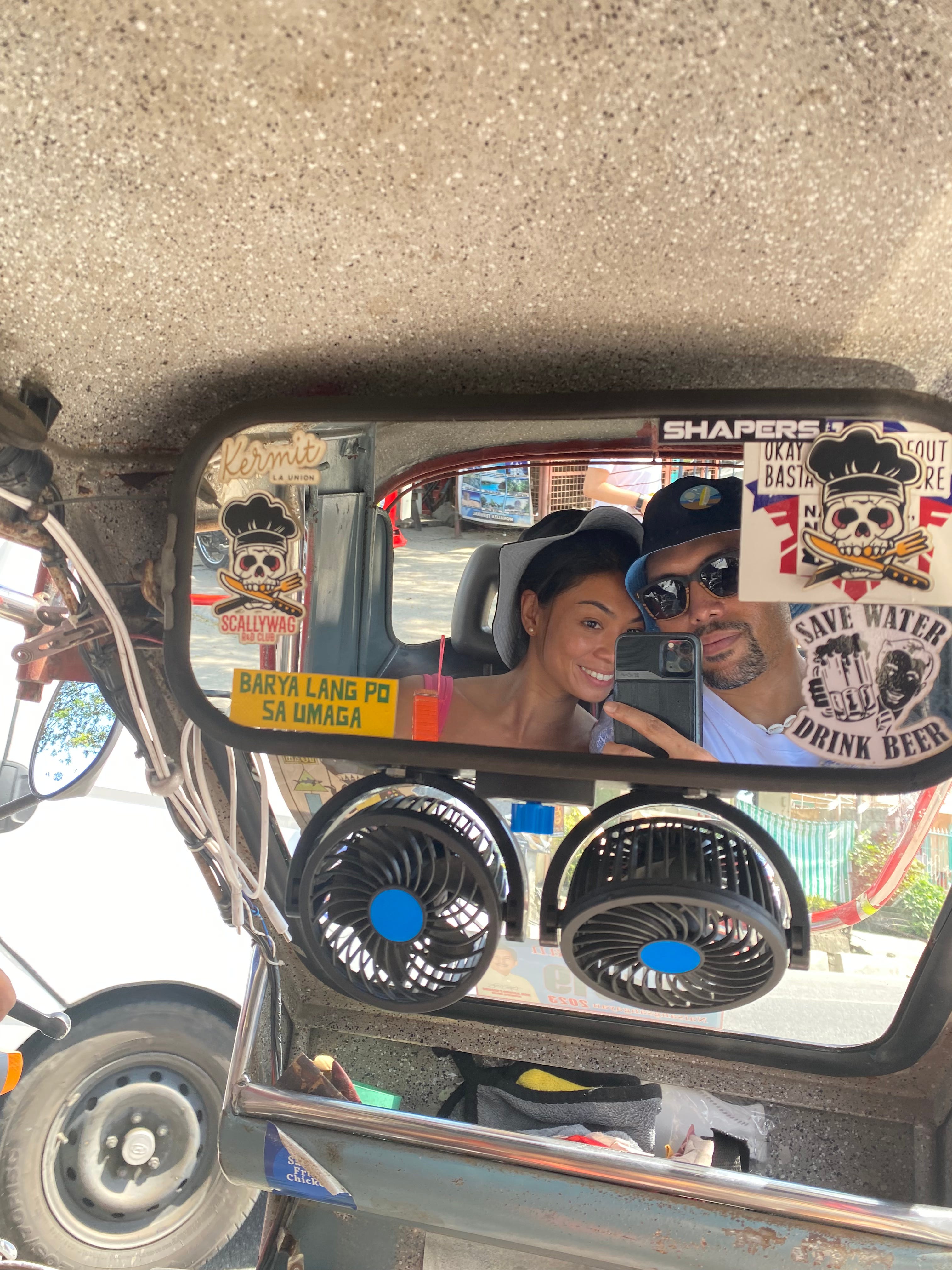
I visited different provinces in Mindanao and Luzon, and it was all the same. In surfing towns of northern Siargao, the wave report each day determined how the day would flow. People were more in tune with nature, each other, and themselves. Here time was spacious and the focus was on creating harmony with the present. This might be why the word for morning is araw, also meaning sun, and the word a month of time is buan, which also means moon or the full cycle of a moon.
I was actively remembering the magic of “Filipino time” in the provincial areas of the islands, where the western influence of capitalism and industrialization wasn’t as strong. Time flowed in a non linear way, and through that expansiveness I felt connected to my ancestors who probably moved through their days with a similar sense of presence and balance. This has been something that I have actively tried to practice and remember back in NY. That often looks like blocking off time for creative outlets, spending time in nature on the weekends, and being in community with friends who are in a similar practice of re-membering.
If any of this is resonating with you, I invite you to check out the latest episode of Kapwa Konversations (we’re back for season 2!) with my guest (and friend), Tanvi Mittal. And if you are interested in being in a reflective space on the topic of time facilitated by Tanvi and I, then I’m excited to invite you to our workshop on Dec 16th 7-8:30pm EST.
Here’s the link to register.
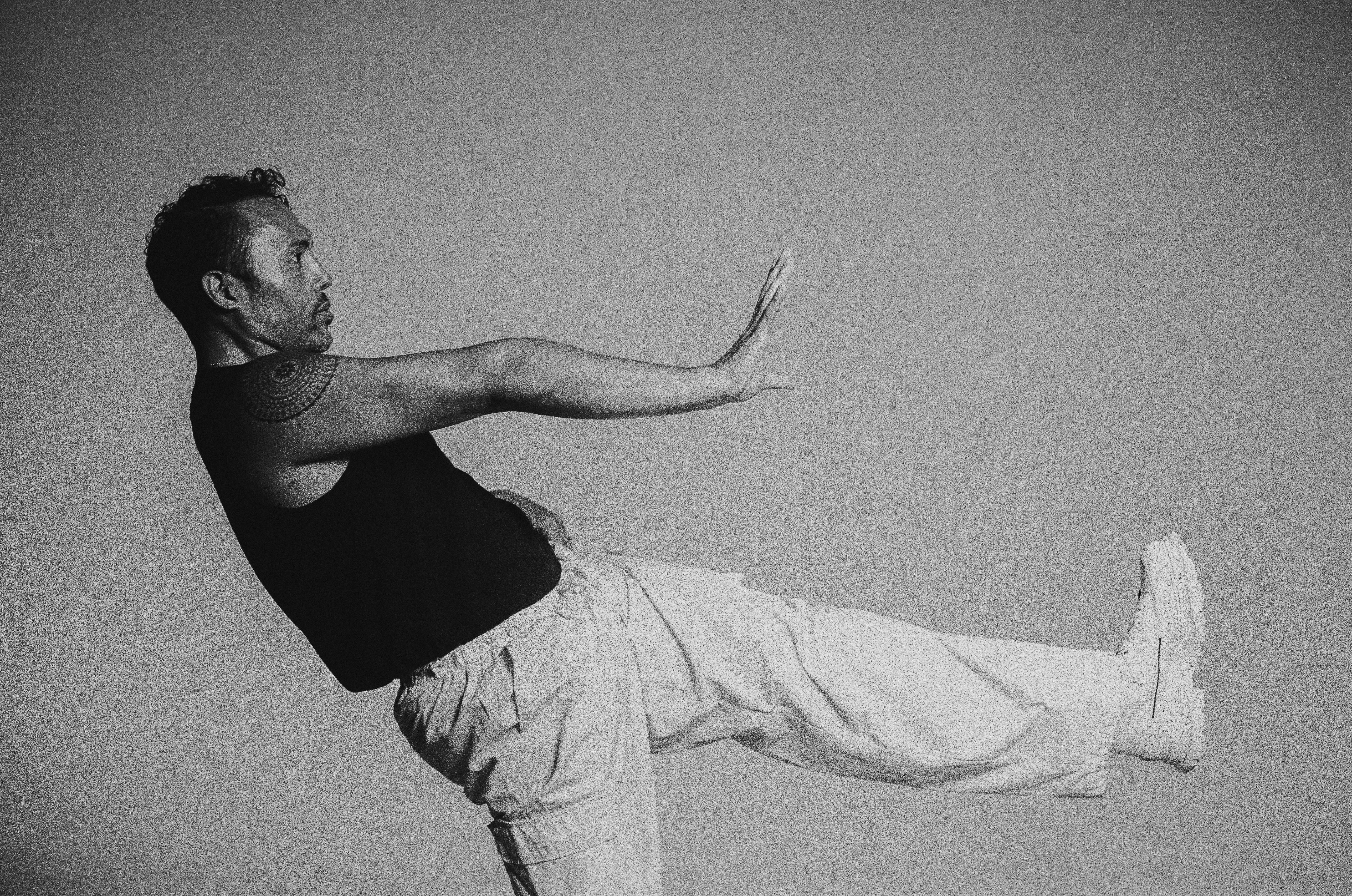
It’s open to all, with a focus on Filipino diaspora, WOC, change-seekers (in transition or looking for change in their career). Through reflective practices such as journaling and somatics, our intention is to give you seeds; ways to connect back to this part of yourself; nurture and cultivate it in your time at your own pace.
We hope to see you there!